Most dog software is built around the bill.
Sniffr is built around the dog.
Scheduling, intake, photos, payments, and walk reports for dog-care businesses. Built alongside a real one, Hamilton Bark, who run about 130 walks a week on Sniffr today.
Here because your walker uses Sniffr? Open the app →
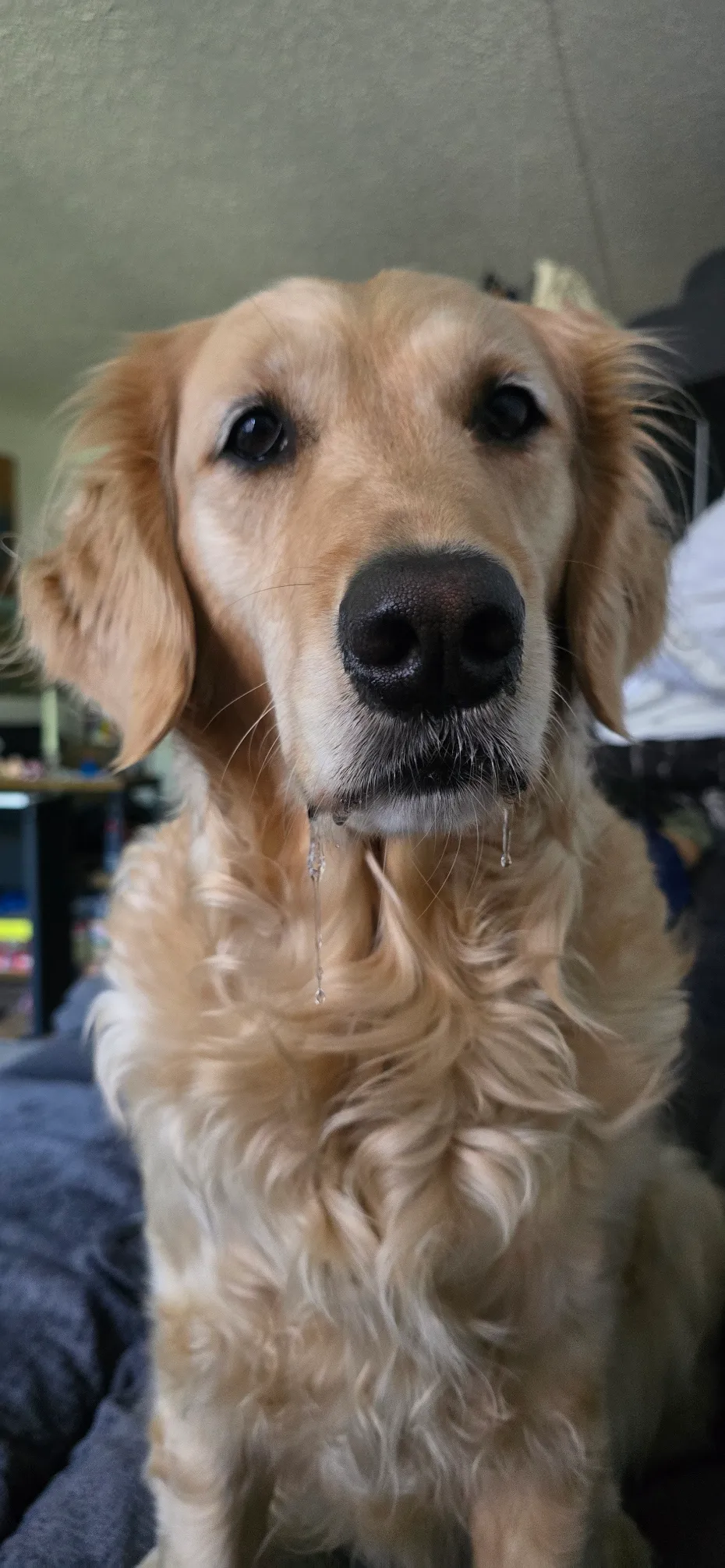
"Saw the bagel. Queue Operation Drool."
A day in your dog's life, kept.
Every walk leaves something behind. Sniffr turns the day into a record that belongs to the dog.
"On the way to the dog park he saw an ambulance on 6th and sang the song of his people."
- 🐕
Pickup
leash-ready
- 🚑🎶
6th & Main
ambulance song
- 🐾
Dog park
played with Goldie
"Caught mid-zoomie at the park, per usual."
Humans and dogs have been shaping each other since before written language existed. They notice what we can't, faster and farther than we can, and in return one person keeps them safe for the whole of their life. That bargain is older than the alphabet, and it still runs every morning at your dog park. We think software for dog care should be built the way the bargain is: around the dog.
Onboarding
Your business card is your intake form.
Hand a prospect a card. They scan the QR. Five minutes later, they've signed up, told you everything you need to know about their dog, picked a payment method, and landed on your Google Calendar for a Meet & Greet.
You did no data entry. They did no email tag. Every Sniffr card is a tracked invite — you'll know which card brought which client, and which conversations turned into customers.
By the time you say hello at the M&G, you already know their dog's name, their vet, and how often they want to walk.
Scheduling Model
Sell Windows. Walks happen automatically.
Recurring dog care isn't a calendar full of appointments you re-book every week. It's a handful of standing commitments. Sniffr's scheduling is shaped like that.
A Window is a standing arrangement: "Wednesday evenings between 6 and 7:30, 30 minutes with Wally." You sell those once. Walks get generated every week the Window is active.
A Horizon is how far ahead you lock walks in. Some walkers run three days out, some run three weeks. Solo walker or twenty-walker shop, you set how far you plan. Raise it as your team grows.
Pricing is captured the moment a Window is created. Payment doesn't run until the Horizon is locked. Predictable cash flow on a cadence you control — not a per-walk billing scramble.
Walk Reports
Talk through the walk. Sniffr listens.
Walkers don't have to be writers. Tell Sniffr what happened on the walk — out loud — and we'll turn it into a tagged, searchable timeline for the dog.
Each moment becomes a structured event on the dog's timeline, tagged with emojis, searchable across weeks. Snap photos along the way. Caption them yourself; we'll handle the hashtags. Write a full walk report when it matters; skip it when the audio and photos already tell the story.
For a walker doing 20+ walks a week, this is the single biggest time-saver in Sniffr. Roughly 10 minutes of paperwork per walk — gone.
Scheduling Intelligence
Sniffr learns who walks who.
Most software needs you to tell it who walks Goldie. Sniffr figures it out.
After a few weeks, Sniffr knows that Sarah is Goldie's regular — not because you set a rule, but because Sarah has actually been walking Goldie for eight weeks. New Wednesday Windows route to Sarah automatically.
Sniffr also predicts the time within the Window. Sarah's been arriving around 6:15 each week, not 6:00 sharp. The next walk gets scheduled for 6:15, with a confidence score. Reassignments suggest the right replacement and won't let you double-book.
The longer you run on Sniffr, the better it gets at running itself.
Ownership
Your business. Your Stripe. Your customers.
Sniffr is software, not a marketplace.
Bring your own Stripe Connect account. Hire your own employees. Set your own rates. Charge whatever you charge — Sniffr never touches your customer relationships. When you leave us, your customers come with you.
We don't take a cut of your customer revenue. We don't broker your relationships. We don't decide who can work for you.
This is the whole stance. It's the reason Sniffr exists.
What's next
Sniffr ships fast.
Self-serve walker signup, AI-assisted reports, walker-to-walker work sharing, the dog's own record opening to every family, the social layer that turns dog parks into Packs and dogs into Circles, and service plugins beyond walks — shipping in that order, through 2026 and into 2027.
See the full roadmap →Built with
A real dog-walking business.
Hamilton Bark runs everything you've read about above on Sniffr, today. Every feature listed survives contact with that business or it doesn't ship.
Sniffr launched after a year of building against a real production customer. Not in a sandbox. Not in a pitch deck. In a working dog-walking business with paying clients and a payroll.
Ready to switch?
If you're running 1–10 walkers and you've felt the limits of Time To Pet, Scout, or Precise — or you're starting a business and you want to start it right — let's talk. Setup calls are 30 minutes, run by the founder, and cover data migration, Stripe Connect, and walker training.
Sniffr is free until your fourth client pays. See pricing →